



"In the arena of mid-to-high-end women's fashion, 'elegance' is both armor and a vulnerability."
After all, the value of a piece of clothing goes far beyond its fabric and craftsmanship. It is about accurately predicting ever-changing trends, keenly observing the movements of rivals, and efficiently capturing design inspiration.
But when the trend cycle dominated by Generation Z is compressed to a monthly or even shorter period, the traditional design manual of 'experience, intuition, long cycles' increasingly resembles a 'lagging guide'.
Such pain points are no longer the dilemma of a single brand, but the sword of efficiency hanging over the entire mid-to-high-end women's clothing industry.
Facing this profound transformation concerning future competitiveness, Lancy, as a leading brand in China's mid-to-high-end women's clothing sector, has chosen a forward-looking path embracing digitalization.
In May 2022, Langzi reached a cooperation agreement with Zhiyi Technology, which has continued to this day. This is not simply an introduction of tools, but an upgrade of cooperation that deeply integrates data intelligence into the brand value chain.
In the first quarter report publicly disclosed by Langzi in Q1 2025, it was shown that amid the overall slowdown in the apparel industry, Langzi Women's online sales reached 213 million yuan (up 14.31% year-on-year), accounting for 42.62% of the total, while the women's clothing business maintained a high industry position with a gross profit margin of 63.45%.
Today, let's break down the digital 'practical handbook' of Langzi and Zhiyi, and see how the two sides collaborated to use data as a weapon in three key areas—industry insights, competitive store analysis, and designer sourcing—to fight a brilliant 'efficiency upgrade battle'.
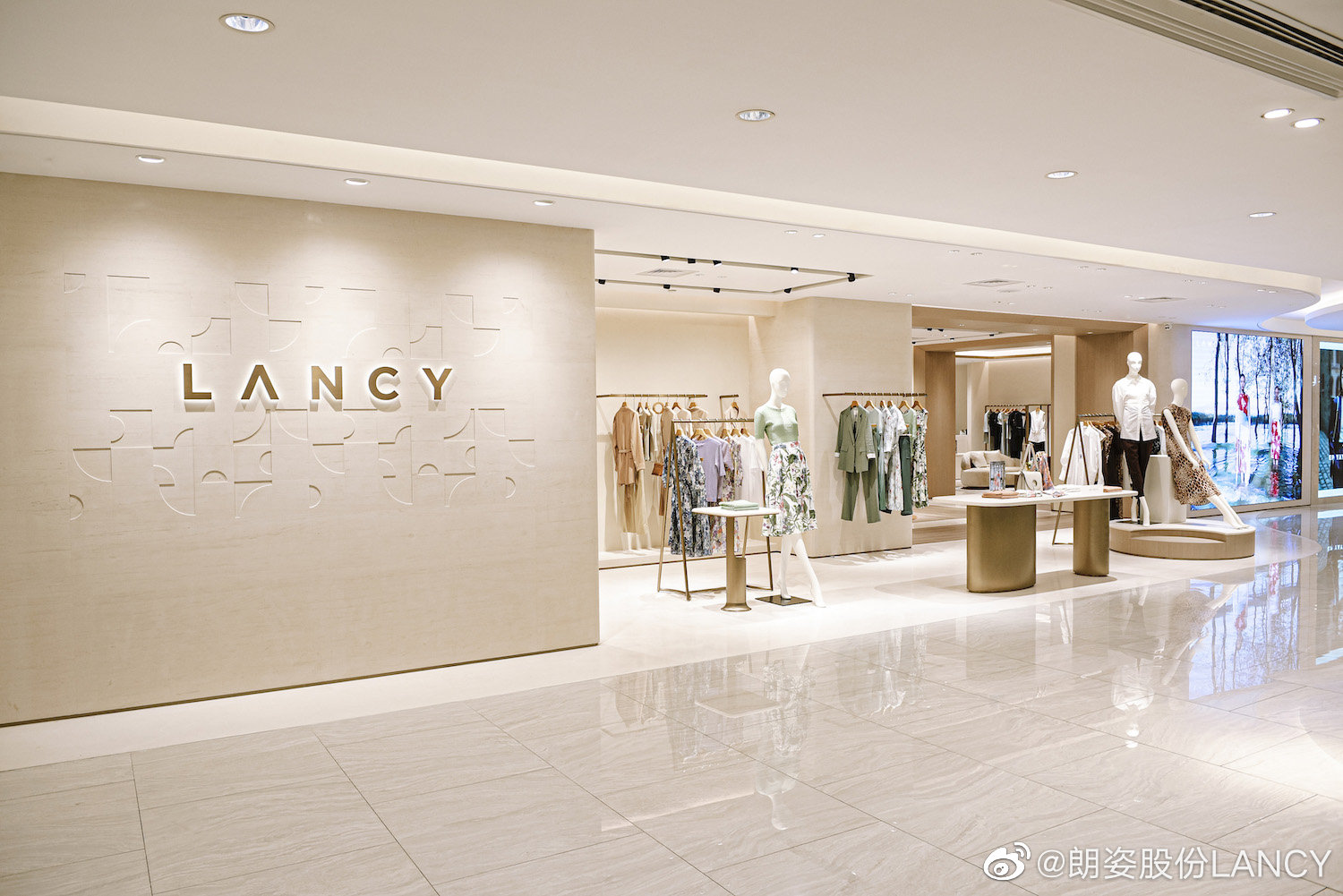
01 Trend Insights: From Experiential Bets to Precision Guidance
The demand of mid-to-high-end women's fashion customers is refined and changeable. Langzi's main audience is high-net-worth mature women, who pursue quality and uniqueness, but at the same time are also sensitive to fashion trends.
In order to cater to the needs of the target customer group, in recent years, Langzi has created the unique narrative of 'elegant and intellectual aesthetics,' with product styles anchored in the concept of 'light formal wear' between traditional professional attire and casual wear, balancing the multiple needs of mature women in both workplace and social leisure occasions.
So how does Langzi more efficiently and accurately capture the fashion trends of mid-to-high-end women's clothing, allowing them to better and more efficiently integrate with the brand's positioning in the product development stage?
Traditional market research cycles are long and costly, relying on designers or buyers to 'empirically' predict trends, which is nothing more than a high-risk gamble. When trend cycles shorten to monthly or even shorter periods, while products take more than half a year from design to launch, the 'time-space mismatch' inevitably leads to inventory backlogs.
Langzi is also facing the same problem, so it actively introduced Zhiyi's big data solutions, using Zhiyi to accurately gain insights into the mid-to-high-end women's clothing market trends and capture popular elements.
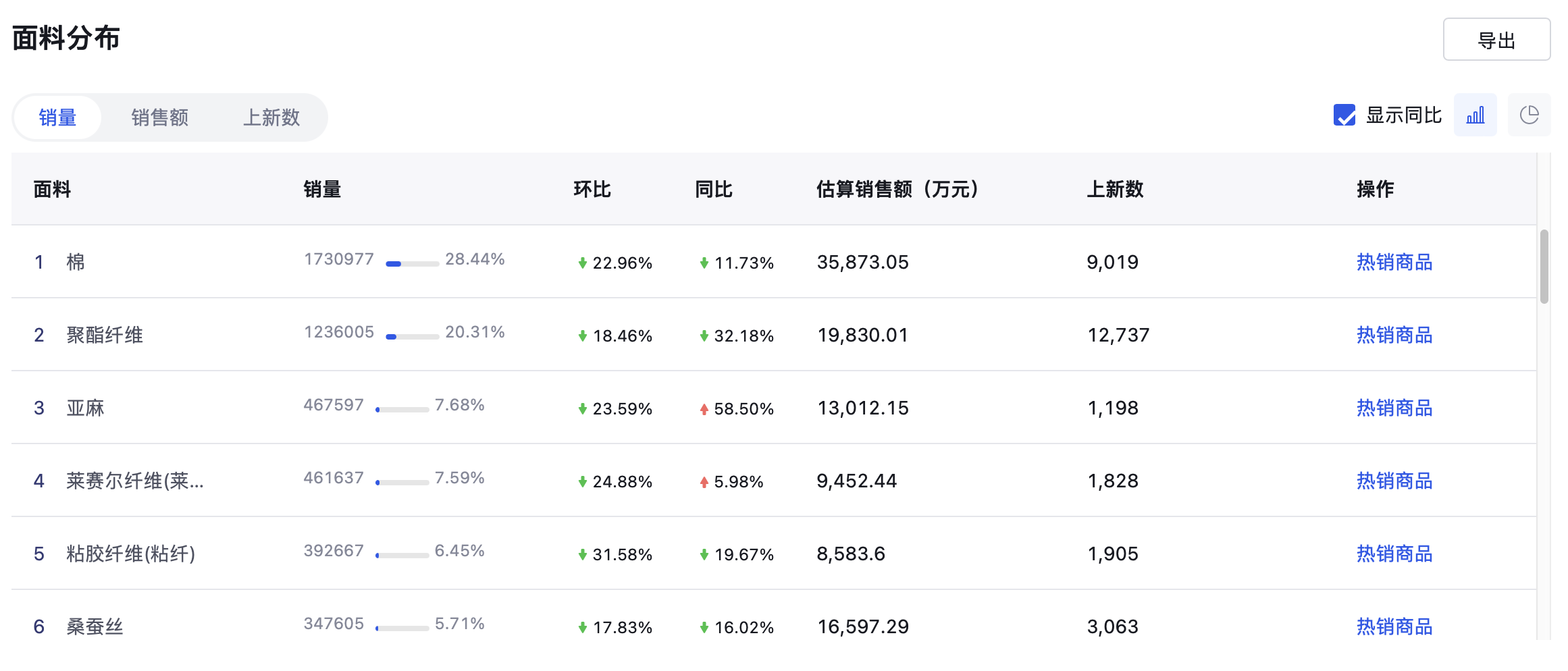
By using Zhiyi's industry insight function, brands can quickly perform statistical analysis on key attributes of interest, more efficiently understand the distribution of preferred styles, fabrics, and design details in the market, and quickly identify design elements through big data.
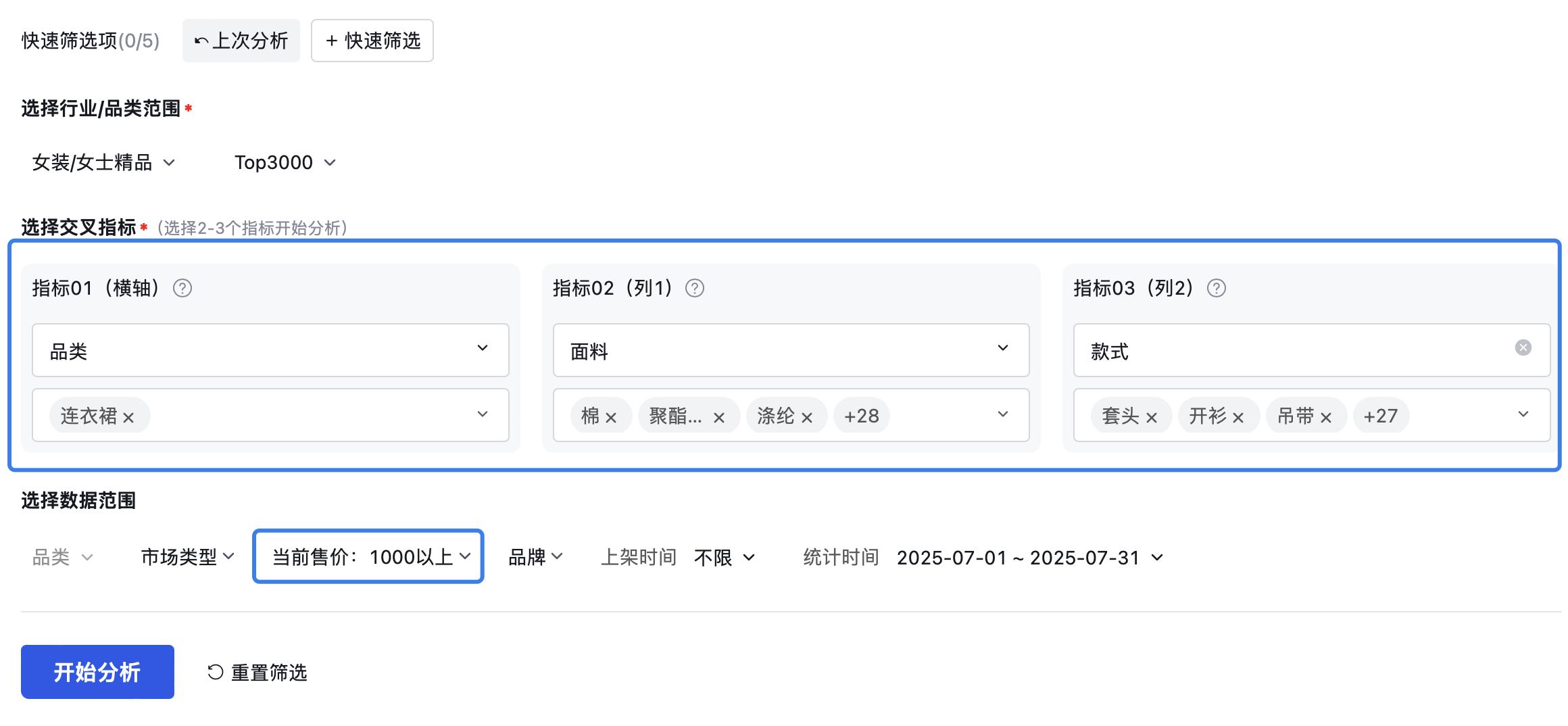
In addition, if you want to capture the popular elements of the mid-to-high-end women's clothing market more precisely, you can use the cross-analysis function to set limitations on the price range.
For example, if a brand wants to understand the combination of fabrics and style designs of mid-to-high-end price range women's dresses, they can select the categories (dresses), fabrics, and styles in [Cross Analysis], choose a price range of over 1000, and customize the statistical time for analysis.
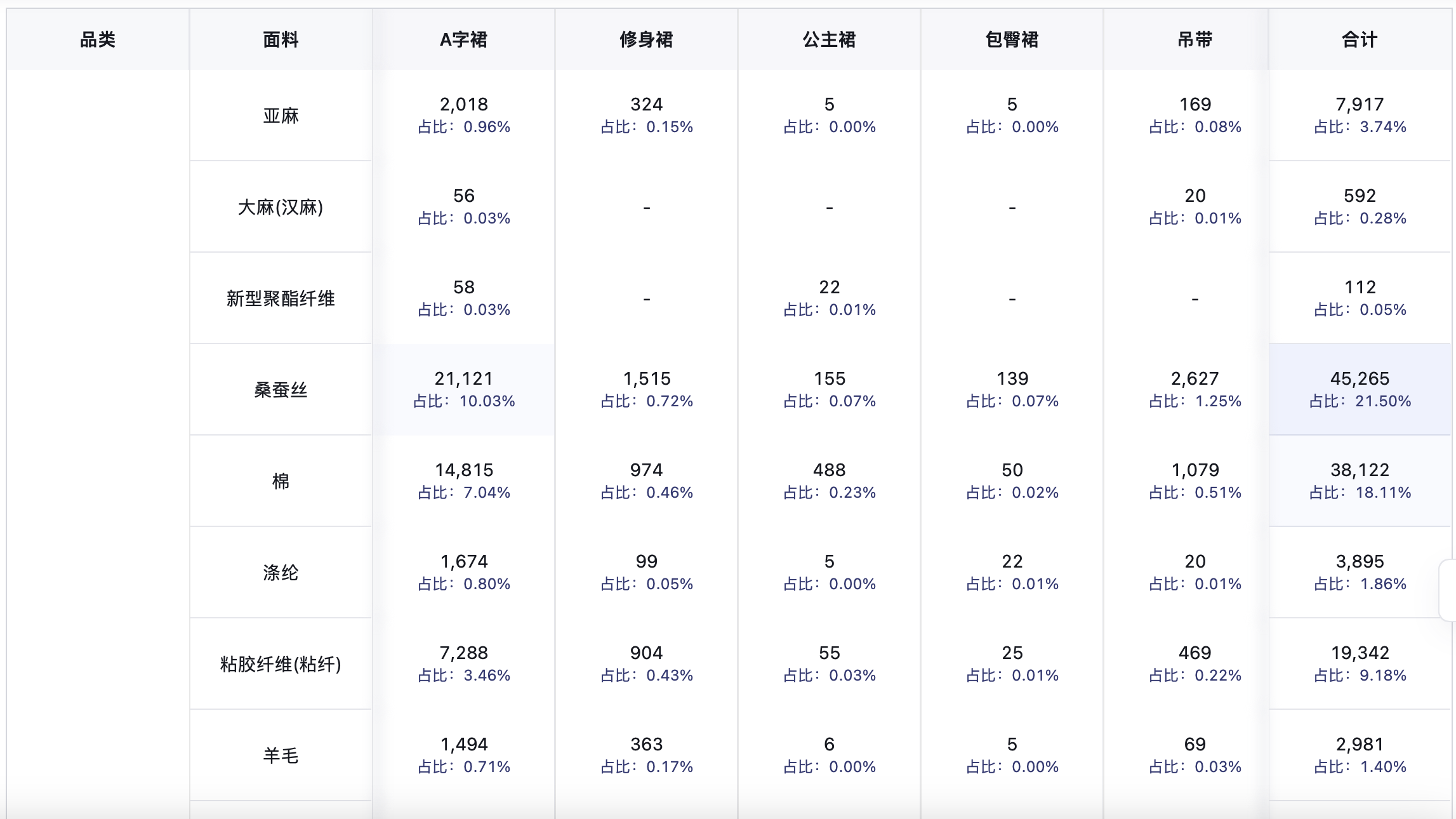
Any combination of attributes can directly link to the corresponding best-selling products, helping designers accurately find target references.
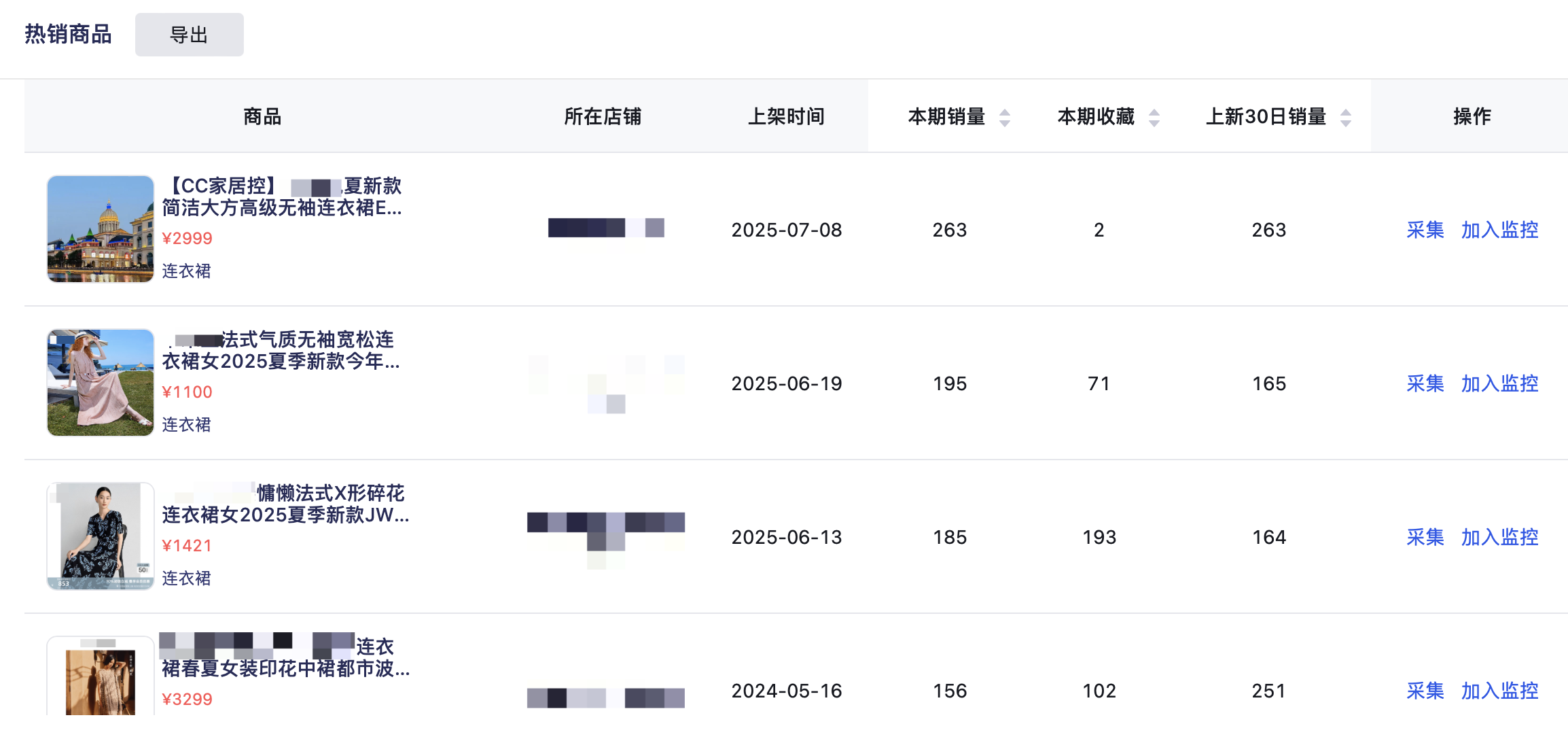
With the help of big data tools, brands can more quickly and macroscopically understand the current design trends in the market and capture high-growth elements.
In addition, Zhiyi's trend experts have also produced many high-quality professional trend reports, helping brands have more direct reference conclusions during the planning and design stages.
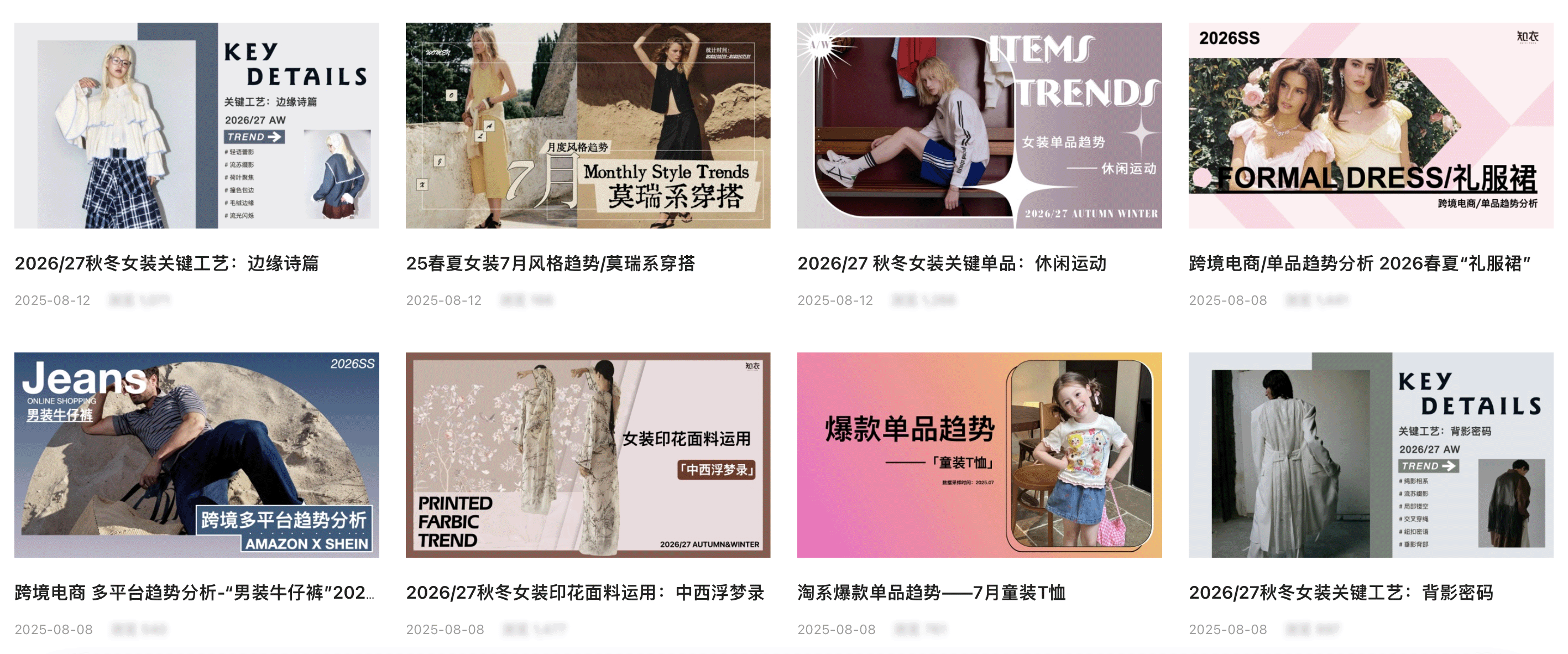
With the help of Zhiyi big data, Langzi has further deepened the development of the concept of 'light formal wear,' precisely meeting the clothing needs of the target customer group for seamless transitions between workplace and social scenarios.
The subsequent themed series, such as 'Light Outdoor Commuting' and 'New Chinese Aesthetic,' all demonstrated a precise grasp of the market pulse, significantly increasing the likelihood of new products becoming bestsellers upon launch, and optimizing the inventory structure from the source.
02 Creating Differentiation: From Passive Following to Active Breakthrough
The domestic mid-to-high-end women's apparel market has become a red ocean. Even a single brand, when reaching its maximum scale, generally falls in the 1-3 billion yuan range, with growth potential peaking.
Especially in the mid-to-high-end women's clothing segment, Langzi faces numerous competitors, and its style positioning is easily caught in homogeneous competition (such as workwear and elegant women's wear). To avoid falling into the trap of homogenization, it is necessary to have more immediate and accurate understanding of competitors and to identify blue ocean growth points within the same track.
So how can we more efficiently and accurately obtain updates on our competitors?
Traditional competitive product monitoring relies on manually collecting information, which is inefficient, untimely, and fragmented, making it difficult to systematically grasp competitors' dynamics (new product styles, best-selling styles, price ranges, marketing strategies, sales feedback, etc.), resulting in delayed responses.
Langzi collaborated with Zhiyi, utilizing Zhiyi's 'store competition tracking' capability to create digital competitive product and store analysis, which not only greatly saved manpower but also promoted the precise evolution of products.
With the help of Zhiyi's monitoring center function, brands can view competitors' store activities in one place, including key data such as the number of new products, sales volume, and sales revenue.
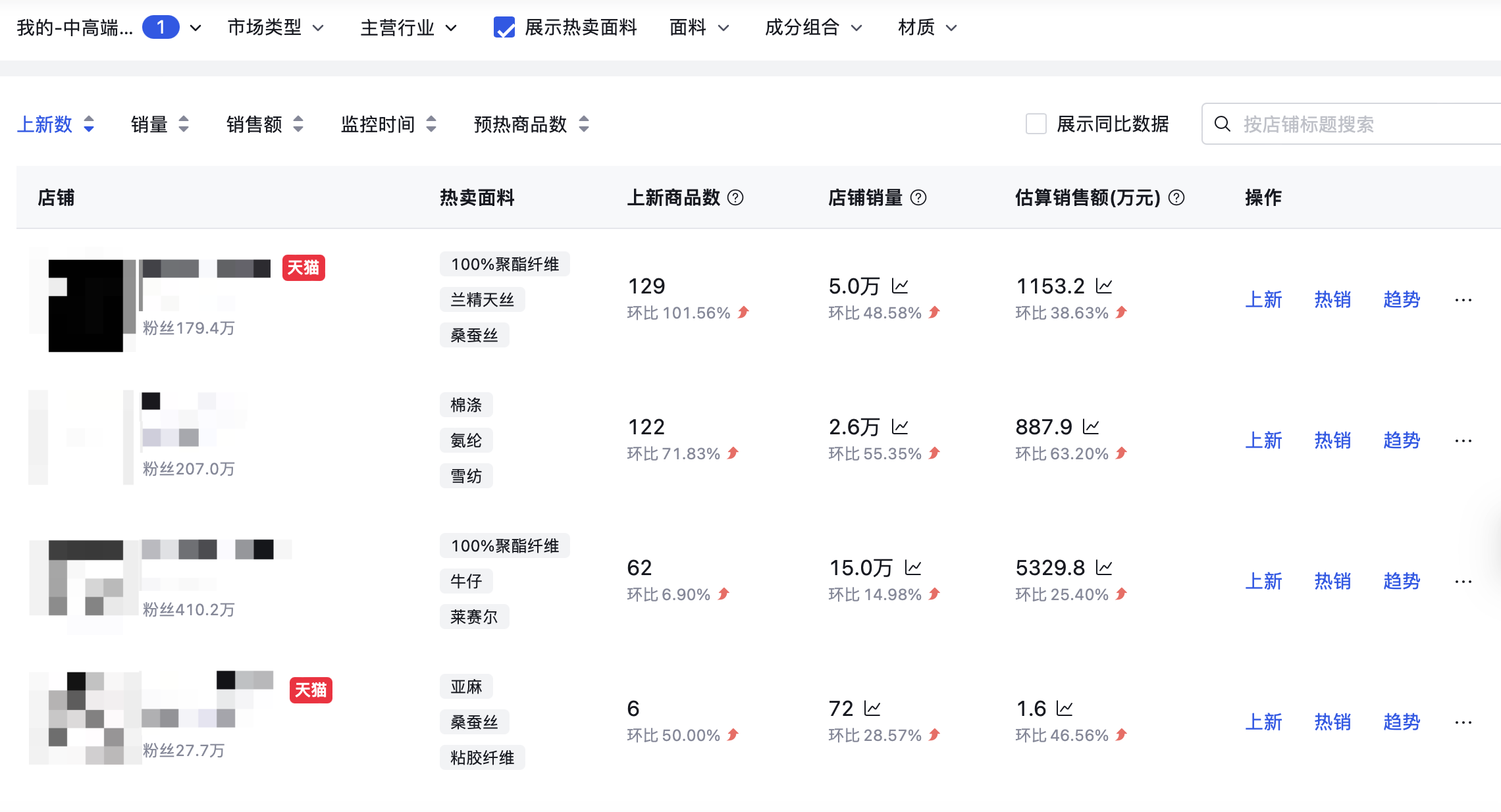
Designers can one-stop aggregate and view new, best-selling, and preheating items from multiple brands and stores in the Zhiyi Monitoring Center's competitor products, quickly understanding the new release trends, product development strategies, and sales situation of similar brands.
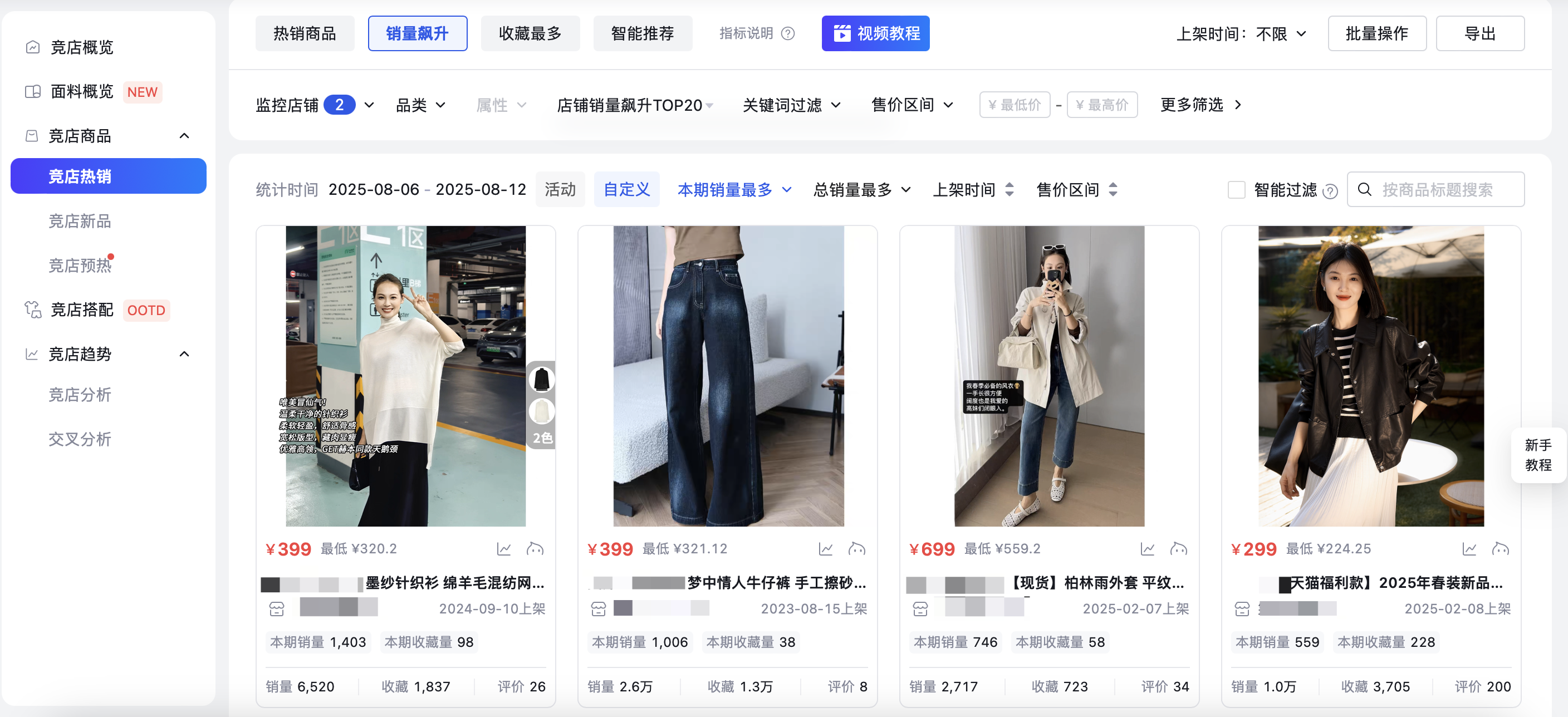
Similar to the market analysis mentioned earlier, brands can also use intelligent analysis tools to conduct store analysis on one or more specified competitor stores, understand the proportion of best-selling attributes and high-growth design elements of direct competitors, and directly link to specific style references.
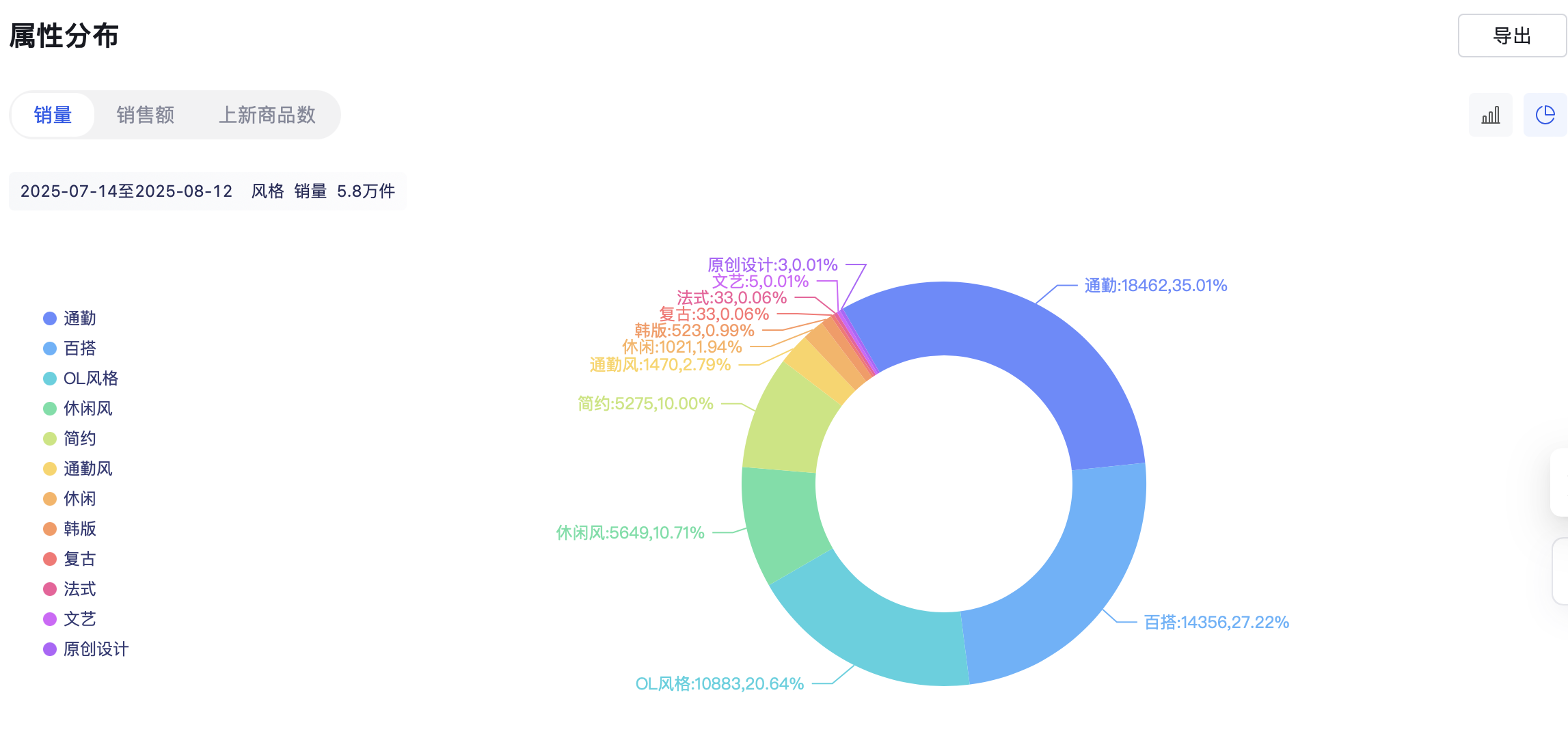
Through Zhiyi's monitoring center, Langzi can instantly understand the product development strategies and market performance of direct competitors, adjust its own product strategies accordingly, more accurately hit market demand, reduce trial-and-error costs and inventory risks, and effectively increase the sales of styles.
03 Designers Searching for Styles: From Finding a Needle in the Ocean to Precision Guidance
In order to maintain the consistency of the brand's tone while continuously integrating popular market trends, Longzi's design team needs to obtain a vast amount of reference images to gain design inspiration and references.
But the process of designers looking for style inspiration has traditionally been time-consuming and labor-intensive: in addition to extensively searching styles on domestic and overseas e-commerce and social media platforms, they also need to go through a large number of domestic and international magazines, browse a vast number of websites, and attend various exhibitions, which is inefficient and results in scattered information.
How to quickly identify reference elements in the vast sea of global information that align with Langzi's 'elegant and intellectual aesthetics,' have market potential, and can avoid copyright risks is a huge challenge.
So how did Langzi respond?
On one hand, Langzi continues to engage in in-depth exchanges and cooperation with designer companies in Italy and France, broadening the brand's channels for accessing fashion trends and industry information, while maintaining an international perspective and a high level of originality.
On the other hand, Langzi is also actively introducing Zhiyi and Zhikuan big data tools to help improve designers' efficiency in finding styles and inspiration.
In the knowledge collection, designers can view high-definition style images from multiple channels such as e-commerce, Instagram, trade fairs, and brand official websites in one place, and it supports precise filtering based on category, time, sales data, color, fabric, and more.
In addition, designers can also upload local style images or perform intelligent image searches on any style on the Zhiyi platform, allowing for precise searches in Zhiyi's integrated global fashion library of hundreds of millions of items, instantly obtaining a large number of reference styles with highly similar styles, details, and elements. At the same time, they can access sales data of related products as an objective reference for planning or design.
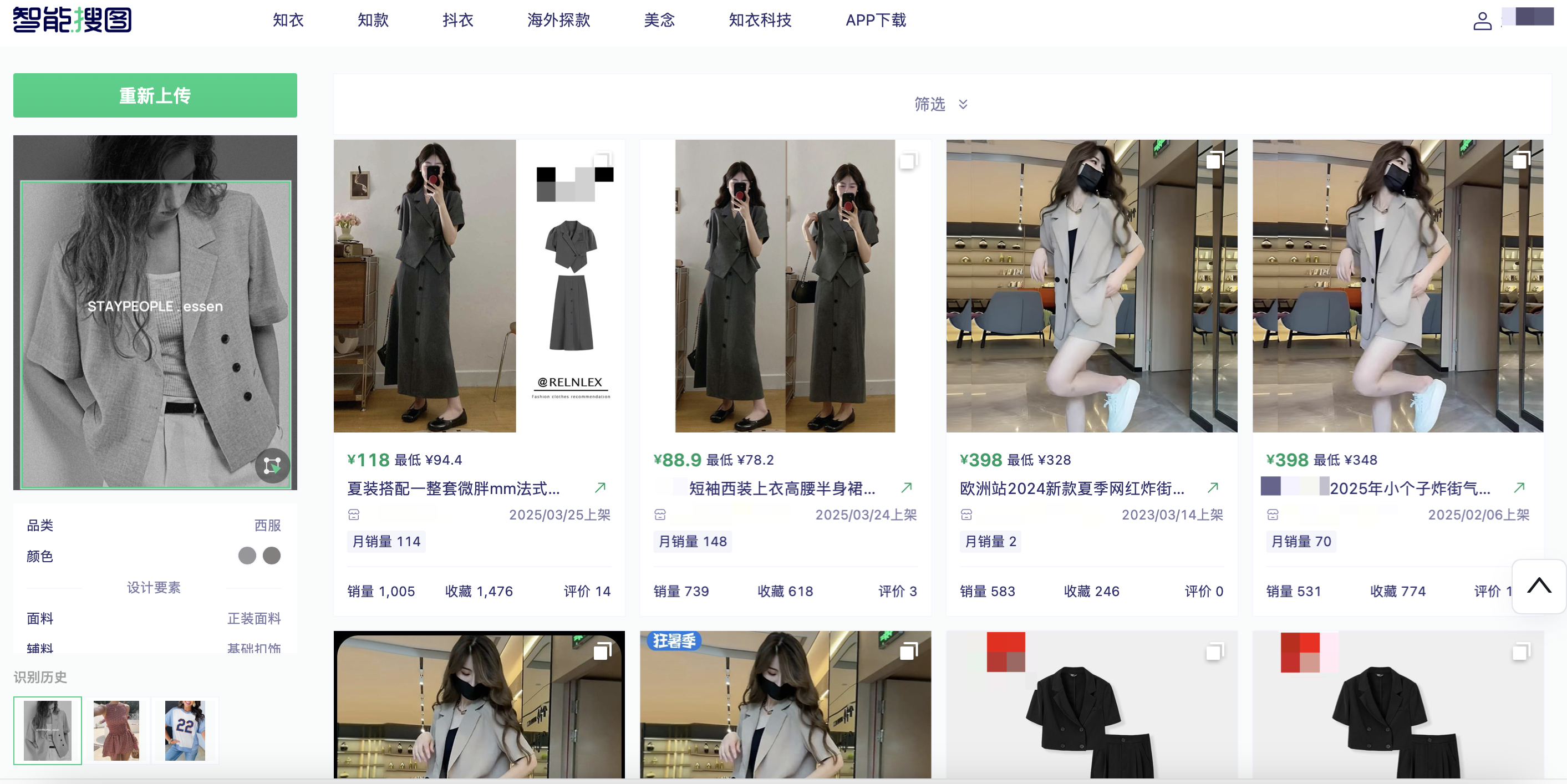
With Zhiyi's vast image resources and intelligent style-finding capabilities, Langzi's designers can be freed from the burdensome 'information labor,' gain a broader reference perspective, achieve more efficient style-finding, and focus their energy more on fashion design.
At the same time as finding fabrics, having clearer data also makes the design proposals more data-driven and precise, greatly reducing the decision-making risks in the design and development stage.
04 Conclusion
Deep cooperation with Zhiyi is Langzi's digital attempt in response to the industry's widespread structural difficulties.
This is not simply the introduction of tools, but the deep integration of data intelligence into the entire product lifecycle—from cutting-edge trend insights and planning, to competitive strategy maneuvering, and finally to the realization of design inspiration.
"Guided by data, elegantly breaking through the cocoon." Zhiyi will continue to advance cooperation with Langzi, helping Langzi more accurately interpret elegance and respond more agilely to the ever-changing waves of fashion, transforming towards a healthier and more sustainable growth model.
Want to understand how your brand should use data
Accurately capture the pulse of fashion and create clothing bestsellers?
Fill in the information below to learn more about the product details
